BUY ONCE. DRY FOREVER.
What Are Kiln Sticks?

Kiln sticks are narrow spacer bars that are placed between layers of lumber when stacking wood inside a kiln. Their primary function is to create uniform channels for air circulation during the drying process. When hot air flows evenly between the boards, moisture can escape consistently, allowing the lumber to dry at a controlled rate.
Without proper spacing between boards, airflow becomes restricted and drying may occur unevenly. This can lead to several defects such as warping, splitting, internal stress, and uneven moisture content. Lumber that dries improperly may lose structural integrity and become unsuitable for construction or manufacturing purposes. By using well-designed kiln sticks, lumber mills can maintain consistent airflow throughout the drying stack, ensuring better wood quality and improved production efficiency.
Wood vs Aluminum Kiln Sticks
The comparison between wood vs aluminum kiln sticks has become more relevant as modern lumber operations seek more durable and cost-effective drying solutions. While wooden kiln sticks have been used for decades, many mills are now exploring aluminum alternatives that offer improved performance and longevity.
Traditional wooden kiln sticks remain common in smaller lumber operations due to their availability and lower upfront cost. However, wood materials are naturally affected by heat, moisture, and repeated use. Aluminum kiln sticks, by contrast, are engineered specifically for industrial drying environments. Their ability to maintain consistent dimensions under extreme kiln temperatures has made them increasingly popular among professional lumber processors.
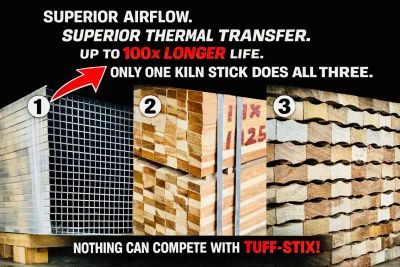
Wood Kiln Sticks

Wood kiln sticks are typically manufactured from hardwood or softwood strips that are cut into uniform dimensions. For many years, these sticks have been the standard choice for lumber drying because they are inexpensive and widely available. Their lightweight structure makes them easy to handle and stack during kiln preparation.
However, wooden kiln sticks can develop problems over time. Because they are exposed to high heat and humidity during kiln drying cycles, wood sticks may begin to warp, crack, or absorb moisture. This can affect their ability to maintain consistent spacing between boards. When spacing becomes uneven, airflow distribution is disrupted, leading to inconsistent drying results. These limitations often require frequent replacement of wooden sticks, increasing maintenance costs for lumber facilities.
Aluminum Kiln Sticks

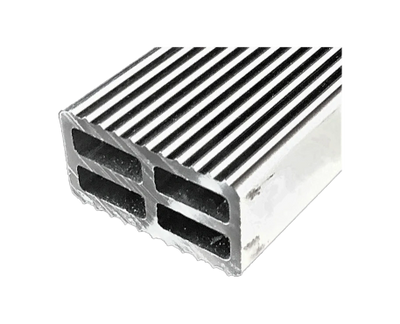
Aluminum kiln sticks are designed to address many of the limitations associated with traditional wooden sticks. Manufactured from high-grade aluminum, these sticks are built to withstand the extreme conditions inside lumber kilns. Their structural stability allows them to maintain consistent dimensions even after repeated drying cycles.
One of the main advantages of aluminum kiln sticks is their durability. Unlike wood, aluminum does not absorb moisture, crack, or warp when exposed to heat. This ensures that spacing between boards remains consistent throughout the entire drying process. Because aluminum sticks maintain their shape and strength over time, they can be reused for many cycles without significant wear, making them a practical solution for large-scale lumber operations.
Best Kiln Sticks for Lumber Drying
Choosing the best kiln sticks for lumber drying involves considering several factors, including durability, spacing accuracy, and resistance to environmental conditions inside the kiln. The ideal kiln stick should be able to support heavy stacks of lumber while maintaining uniform spacing between layers. This allows air to move freely through the stack and ensures that heat and moisture are distributed evenly.
Aluminum kiln sticks meet many of these requirements, which is why they are widely used in industrial lumber drying facilities. Their consistent dimensions help maintain proper airflow channels, while their resistance to heat and moisture ensures reliable performance over time. By providing stable support and uniform spacing, aluminum sticks help reduce drying defects and improve overall lumber quality.
Why Lumber Mills Choose Tuff-Stik
Replacement for Wood Kiln Sticks
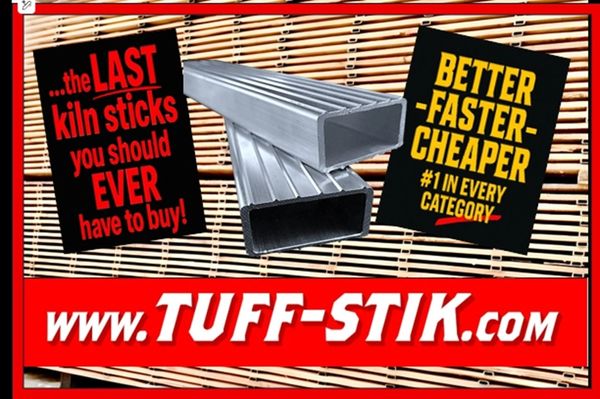
As lumber mills modernize their drying operations, many are transitioning from wooden kiln sticks to aluminum alternatives. Aluminum sticks are often considered an effective replacement for wood kiln sticks because they offer greater durability and require less frequent replacement.
Replacing wooden sticks with aluminum ones can lead to long-term operational benefits. Because aluminum sticks do not degrade as quickly as wood, mills can reduce the time and cost associated with replacing damaged spacers. Additionally, consistent airflow created by aluminum sticks can improve drying efficiency and help produce more uniform lumber products. Over time, these improvements can contribute to lower operational costs and higher product quality.
Applications in Lumber Processing

Kiln sticks play an essential role in many types of lumber drying operations. They are commonly used in hardwood drying, softwood processing, and sawmill operations where consistent moisture removal is critical. In addition to standard lumber production, kiln sticks are also used in specialized industries such as utility pole drying and engineered wood manufacturing.
Industrial drying environments require reliable tools that can withstand heavy loads and repeated heat exposure. Aluminum kiln sticks are increasingly used in these applications because they provide dependable structural support and maintain consistent airflow spacing. Their durability makes them particularly useful in large-scale production facilities where drying cycles occur frequently.