BUY ONCE. DRY FOREVER.
What Are Cost Per Turn Kiln Sticks?

Cost per turn kiln sticks refer to kiln stickers that are designed to last through multiple kiln drying cycles without losing their structural integrity or effectiveness. Instead of focusing solely on the initial purchase price, the cost per turn concept evaluates how long kiln sticks perform reliably during repeated use. Durable sticks that maintain their shape and spacing across dozens or even hundreds of cycles ultimately provide better value over time.
For lumber mills, this long-term performance reduces replacement costs, lowers maintenance requirements, and ensures consistent drying conditions. When kiln sticks remain stable and reliable throughout repeated cycles, airflow remains consistent and drying quality improves. This is why many lumber producers prioritize kiln sticks that improve drying consistency and kiln sticks that reduce sticker stain when selecting drying equipment.
The Role of Kiln Sticks in Lumber Drying
During the kiln drying process, lumber boards are stacked in layers with kiln sticks placed between each layer. These sticks act as spacers, creating channels that allow heated air to move freely through the lumber stack. This airflow is critical for removing moisture evenly from each board. Without proper spacing and airflow, certain areas of the lumber stack may dry faster than others, creating inconsistencies in moisture content.
When airflow becomes uneven, several problems may occur during drying. Boards may warp, twist, or develop internal stress due to uneven moisture removal. Surface defects can also develop, affecting the final appearance and structural integrity of the wood. High-quality kiln sticks that improve drying consistency help maintain uniform airflow throughout the stack, reducing these risks and ensuring that lumber dries evenly.
Kiln Sticks That Improve Drying Consistency
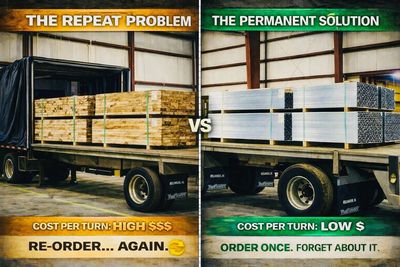
Drying consistency is one of the most important goals for lumber producers. When airflow and heat distribution remain stable throughout the kiln, lumber dries at a controlled and predictable rate. Kiln sticks that improve drying consistency are designed with precise dimensions and structural strength that allow them to maintain uniform spacing between boards even under high temperatures and heavy loads.
These kiln sticks maintain reliable spacing between layers, allowing heat and airflow to circulate evenly throughout the lumber stack. When spacing remains consistent, moisture leaves the wood more evenly, preventing drying defects such as warping, twisting, or internal cracking. Lumber mills that use kiln sticks designed for consistent spacing often see improved drying performance, higher product quality, and reduced material waste.
Why Aluminum Kiln Sticks Improve Cost Per Turn
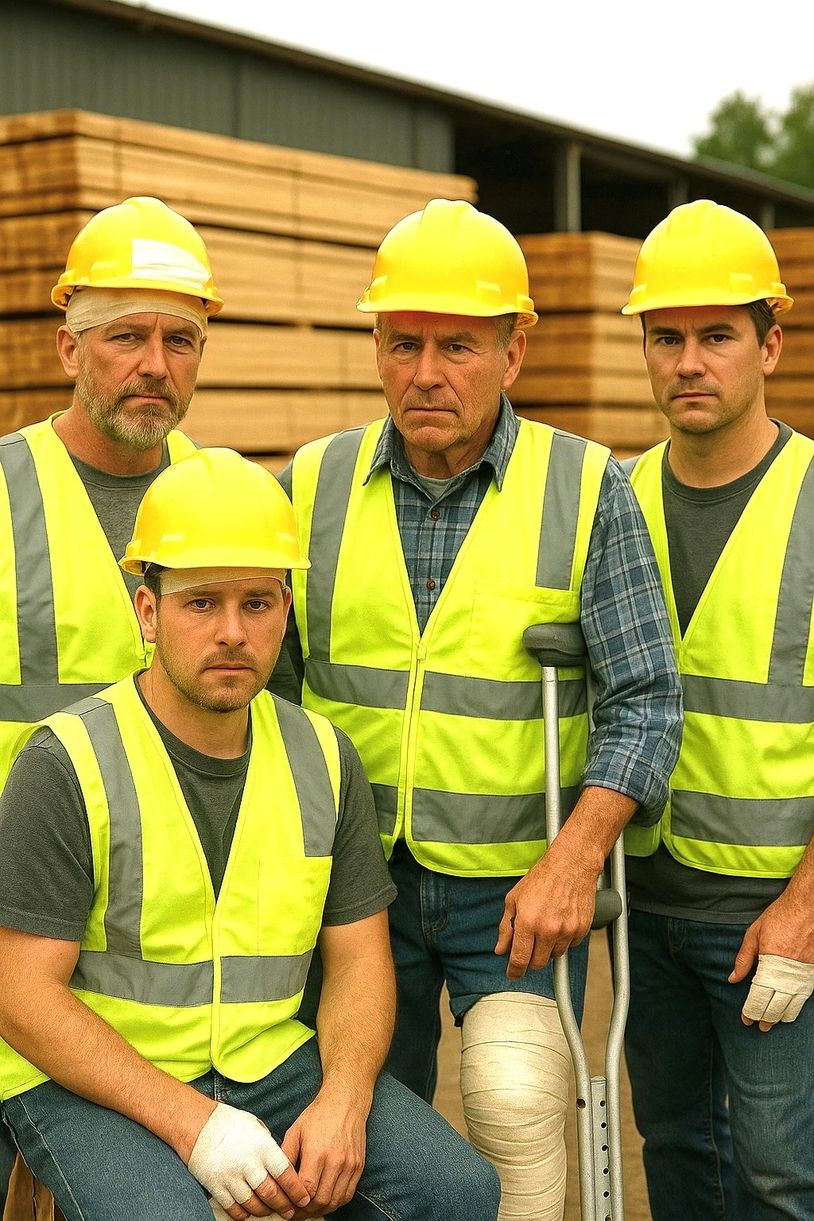
Traditional wooden kiln sticks have been widely used in lumber drying operations, but they often face challenges during repeated kiln cycles. Wood sticks can absorb moisture, warp, crack, or degrade when exposed to high temperatures and humidity. As a result, wooden sticks may require frequent replacement, which increases operational costs and disrupts drying consistency.
Aluminum kiln sticks offer a durable and reliable alternative. Because aluminum maintains its shape and structural strength even under extreme kiln conditions, it provides consistent spacing and airflow across many drying cycles. Aluminum sticks resist moisture absorption, mold, and warping, allowing them to perform effectively for much longer periods. This durability significantly improves cost per turn kiln sticks performance, making aluminum a preferred option for many modern lumber mills.
Applications in Lumber Processing
Cost-efficient kiln sticks are used across a wide range of lumber processing industries where consistent drying performance is critical. Hardwood lumber producers rely on reliable kiln sticks to maintain high product quality and prevent surface defects during drying. Softwood lumber processing facilities also use kiln sticks to ensure that large volumes of lumber dry evenly and efficiently.
Sawmills, engineered wood manufacturers, and utility pole processing facilities also benefit from durable kiln sticks that maintain consistent spacing and airflow. In these operations, maintaining predictable drying cycles helps improve production efficiency and product reliability. Kiln sticks that improve drying consistency and reduce sticker stain play a crucial role in achieving these goals across multiple sectors of the wood processing industry.
Why Lumber Mills Choose Tuff-Stik
Kiln Sticks That Reduce Sticker Stain
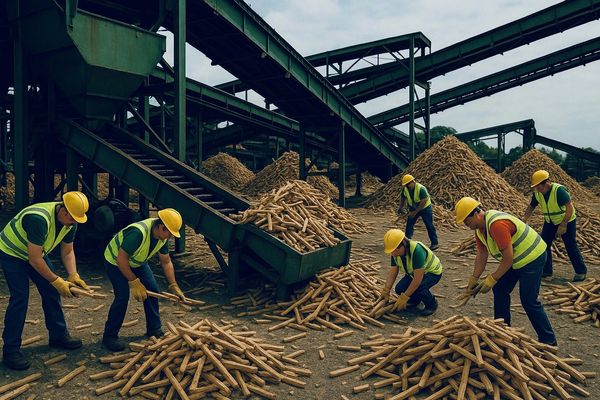
Sticker stain is a common issue that can occur during lumber drying when moisture accumulates at the contact points between kiln sticks and wood surfaces. This moisture buildup may create visible marks or discoloration on the finished lumber, which can reduce the value of the final product. Sticker stain is especially problematic in high-value hardwood production where appearance plays a significant role in product grading.
Kiln sticks that reduce sticker stain are designed to improve airflow around contact areas and minimize moisture retention. When airflow remains steady and moisture evaporates efficiently, the risk of discoloration decreases significantly. By using kiln sticks that reduce sticker stain, lumber producers can maintain cleaner lumber surfaces, improve product appearance, and reduce waste caused by rejected boards.
Right Kiln Sticks Plays a Critical Role

Selecting the right kiln sticks plays a critical role in maintaining efficient and reliable lumber drying operations. Cost per turn kiln sticks help lumber mills reduce operational costs by lasting through many drying cycles while maintaining consistent performance. When kiln sticks remain stable and durable, airflow remains uniform, drying results improve, and production becomes more efficient.
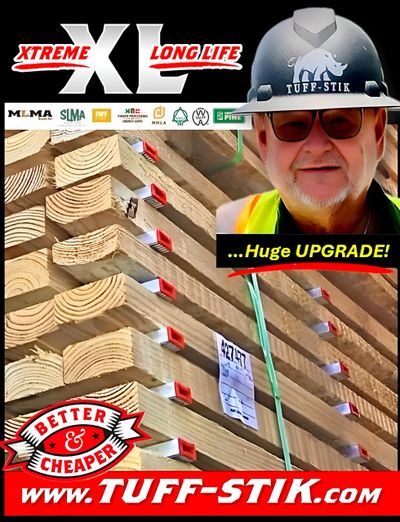
Kiln sticks that improve drying consistency ensure that heat and airflow reach every board evenly, while kiln sticks that reduce sticker stain help maintain the appearance and value of finished lumber. For lumber producers seeking durable and efficient drying solutions, aluminum kiln sticks from Tuff-Stik provide the reliability and long-term performance needed to support modern lumber processing operations.