BUY ONCE. DRY FOREVER.
Why Kiln Sticks for Better Airflow Matter in Lumber Drying
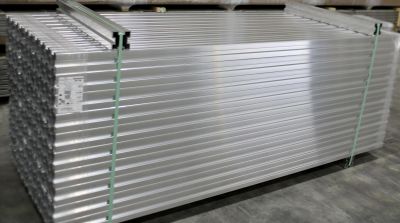
Air circulation is one of the most important factors in successful kiln drying. Using aluminum kiln sticks for better airflow creates uniform spacing between boards, allowing heated air to pass through each layer of lumber evenly. When airflow is properly distributed throughout the kiln chamber, moisture can escape consistently from the wood, helping maintain balanced drying conditions across the entire stack.
Without proper airflow, lumber may dry unevenly, which can lead to defects such as warping, cracking, checking, or internal stress. Aluminum kiln sticks for better airflow help prevent these problems by maintaining consistent spacing and allowing heated air to move freely between boards. By ensuring even circulation throughout the drying process, these kiln sticks, along with automated stacking systems, help sawmills and lumber processors maintain consistent drying conditions and improve the overall quality of finished lumber, providing essential kiln drying support.
Benefits of Heavy Load Kiln Sticks in Industrial Lumber Kilns
Industrial lumber operations frequently stack large volumes of timber inside drying kilns. In these high-capacity environments, traditional wooden stickers may sometimes warp, split, or break under heavy weight or extreme heat. To combat these challenges, heavy load kiln sticks made from aluminum are specifically designed to offer reliable kiln drying support, providing additional structural strength and durability.
These aluminum kiln sticks ensure robust support for large lumber stacks throughout the drying process. Their strength maintains proper spacing between layers, even when stacks experience significant pressure or heat. By preserving consistent stack alignment and preventing deformation, heavy load kiln sticks contribute to unobstructed airflow throughout the kiln chamber, enhancing the efficiency of automated stacking systems in industrial settings.
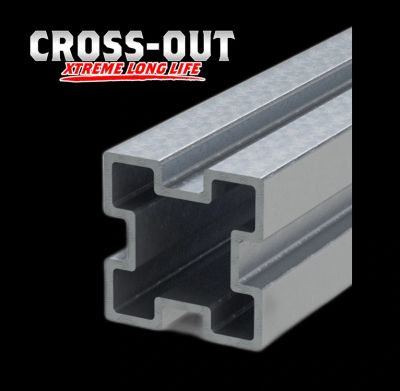
Why Kiln Sticks for Automated Stackers Improve Efficiency

Automation has become a key part of modern sawmill operations. Many lumber facilities now rely on automated stacking systems to improve productivity, reduce labor requirements, and maintain consistent production speeds. Aluminum kiln sticks for automated stackers are specifically designed to work with these systems by maintaining precise dimensions and uniform structure.
Automated stacking equipment requires consistent spacing components to function properly. Kiln sticks for automated stackers ensure that lumber layers are placed evenly and accurately during the stacking process. Because each stick is manufactured to exact specifications, automated machinery can position them quickly and reliably without interruptions or misalignment.
By using aluminum kiln sticks designed for automated stacking systems, sawmills can improve stacking efficiency while maintaining consistent spacing between boards. This allows automated systems to operate smoothly while reducing the risk of production delays caused by inconsistent sticker sizes or damaged materials, thus providing essential kiln drying support.
Aluminum Kiln Sticks vs Traditional Wood Stickers

Traditional wooden kiln stickers have been used in lumber drying for many years, but aluminum kiln sticks offer several important advantages. Unlike wooden stickers, which may absorb moisture, warp, or deteriorate over time, aluminum kiln sticks maintain consistent dimensions even after repeated exposure to heat and moisture. This reliability in shape and structural strength provides more dependable spacing between boards, enhancing airflow channels within the stack and improving overall drying performance. Additionally, when integrated with automated stacking systems, aluminum kiln sticks can further optimize kiln drying support, ensuring efficient and effective lumber drying.
Moisture Resistance in High-Heat Kiln Environments
Kiln environments often involve extreme temperatures and high humidity levels. To ensure better airflow, aluminum kiln sticks must withstand these conditions without deteriorating or losing structural stability. These aluminum kiln sticks are highly resistant to moisture absorption and remain stable even in high-heat kiln environments.
Because aluminum does not swell or warp when exposed to moisture, these kiln sticks maintain consistent spacing and structural integrity throughout repeated drying cycles. This reliability is essential for effective kiln drying support and helps ensure predictable drying performance, especially when used with automated stacking systems.

How Kiln Sticks for Better Airflow Improve Drying Consistenc
Choosing the Right Heavy Load Kiln Sticks for Your Operation
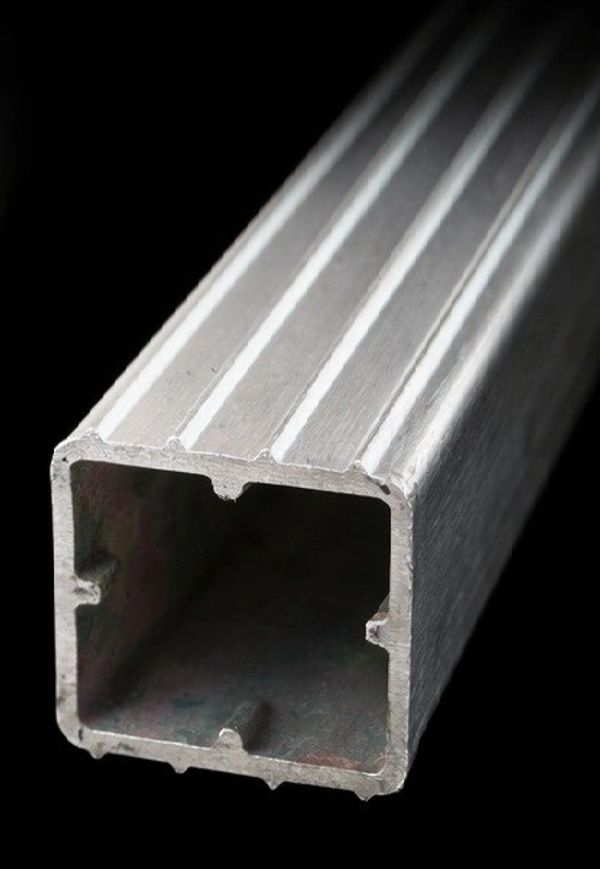
Selecting the appropriate aluminum kiln sticks depends on several factors, including the size of the lumber being dried, stack height, and the configuration of the kiln drying support system. Heavy load kiln sticks must be strong enough to support stacked lumber without bending or losing their shape during drying cycles.
In addition to strength, compatibility with existing automated stacking systems is an important consideration. Kiln sticks for automated stackers must meet specific dimensional requirements in order to function properly with automated equipment. Choosing aluminum kiln sticks that meet these standards ensures smooth stacking operations and reduces the risk of equipment disruptions.
Why Lumber Mills Choose Tuff-Stik Aluminum Kiln Sticks

Tuff-Stik aluminum kiln sticks are specifically engineered for modern lumber drying operations. Our aluminum kiln sticks enhance airflow, which helps improve drying efficiency, while heavy load kiln sticks provide the durability essential for industrial-scale lumber stacks.
Designed for seamless integration with automated stacking systems, our kiln sticks for automated stackers are manufactured with precise dimensions to fit perfectly within the automated stacking systems used in contemporary sawmills. This combination of precision manufacturing and robust aluminum construction guarantees reliable performance across multiple drying cycles. Lumber mills select Tuff-Stik for our kiln drying support, as our products are crafted to facilitate efficient drying operations while ensuring consistent airflow, structural stability, and long-term durability.