BUY ONCE. DRY FOREVER.
Quality Grade Lumber for Your Bottom Line!
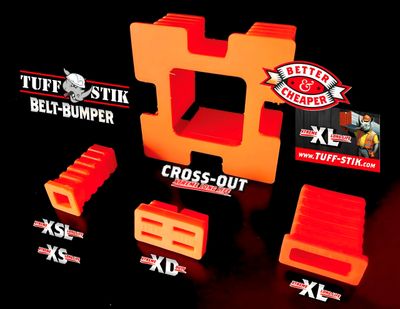
Kiln belt bumpers are essential industrial kiln components used in automated lumber handling systems. Their primary function is to absorb impact and reduce stress on conveyor systems and kiln equipment as lumber stacks move through production lines. In high-volume lumber mills, where large stacks of boards are transported continuously, these bumpers enhance lumber drying efficiency by preventing equipment damage and ensuring smoother handling operations.
In modern sawmills, lumber passes through multiple stages before entering the kiln, including sorting, stacking, and conveyor transport. During these stages, stacks may shift or make contact with mechanical structures. Aluminum kiln separators and kiln belt bumpers act as protective buffers that minimize sudden impacts, safeguarding both machinery and lumber from unnecessary damage.
Protecting Conveyor and Kiln Systems
Automated lumber production relies heavily on conveyor belts and mechanical handling systems to move stacks efficiently through the facility. Without proper protection, these systems can experience significant wear due to repeated impacts from moving lumber stacks. Kiln belt bumpers, along with aluminum kiln separators, help absorb these impacts, protecting industrial kiln components and extending equipment lifespan.
By reducing mechanical stress on conveyor structures, kiln belt bumpers also help maintain operational stability within lumber mills. This enhances lumber drying efficiency and reduces downtime caused by equipment repairs, ensuring that production lines continue running smoothly during high-volume lumber processing.
Reducing Damage to Conveyor Belts During De-Sticking at the

During the kiln loading and unloading processes, lumber stacks may shift or come into contact with industrial kiln components, leading to potential damage. These impacts can sometimes harm the boards or create alignment issues within the stack. Properly installed aluminum kiln separators serve to cushion these contact points, safeguarding both the lumber and the machinery involved in handling operations.
By minimizing harsh contact between lumber stacks and mechanical components, aluminum kiln separators enhance lumber drying efficiency and help maintain board quality before the drying process begins. This added protection contributes to better overall drying results and reduces waste caused by damaged lumber.
The Role of Kiln Stick Profiles in Lumber Drying

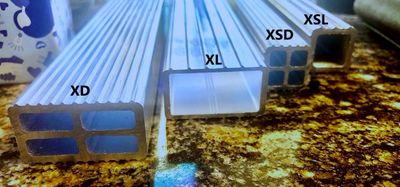
Kiln stick profiles are engineered spacers, often considered essential industrial kiln components, used to separate layers of lumber during the kiln drying process. These spacers create consistent gaps between boards, allowing heated air to circulate evenly throughout the stack. Without proper spacing, airflow becomes restricted, which can lead to uneven drying and increased risk of wood defects.
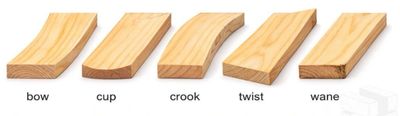
Maintaining proper airflow is crucial for achieving consistent moisture reduction across the entire stack. Aluminum kiln separators, like kiln stick profiles, ensure that air moves freely between boards so each layer dries at a similar rate. This uniform drying process enhances lumber drying efficiency and helps prevent issues such as warping, twisting, or cracking that may occur when moisture levels vary within the stack.
Precision Profiles for Consistent Lumber Stacking
Aluminum kiln separators are designed with precise dimensions to ensure uniform stacking across large lumber loads. In industrial lumber drying operations, even small variations in spacing can impact airflow and lumber drying efficiency. These precision profiles help maintain consistent board separation, allowing airflow to reach every layer of lumber within the stack.
Consistent stacking also enhances the structural stability of lumber piles inside the kiln. When stacks remain aligned and evenly spaced, the airflow patterns become stable, leading to more predictable drying cycles and improved wood quality, which are essential aspects of effective industrial kiln components.
Why Aluminum Kiln Separators Improve Drying Efficiency
Structural Strength for Heavy Lumber Loads
Structural Strength for Heavy Lumber Loads
Structural Strength for Heavy Lumber Loads

Lumber stacks inside industrial kilns can weigh several tons, placing significant pressure on the spacers used between layers. Aluminum kiln separators are crucial industrial kiln components that provide the structural strength necessary to support these loads without bending or breaking. Their rigid construction helps maintain proper stack alignment during drying cycles, which is essential for enhancing lumber drying efficiency. This stability ensures that airflow channels remain open and consistent, improving drying performance and preventing uneven moisture distribution within the lumber stack.
Consistent Spacing Between Boards
Structural Strength for Heavy Lumber Loads
Structural Strength for Heavy Lumber Loads
Maintaining consistent spacing between boards is essential for effective kiln drying, and aluminum kiln separators play a crucial role in this process. These industrial kiln components provide stable spacing that remains unchanged during exposure to heat or humidity, ensuring that airflow is consistent throughout the drying process.
Because aluminum components resist warping and shrinking, they maintain precise dimensions even after repeated kiln cycles. This reliability enhances lumber drying efficiency, allowing lumber producers to maintain dependable drying conditions and achieve predictable moisture reduction results.